
In October 2018, I released two Android apps within three days of each other. One of them, Roller Roulette, went on to pass 2.3 million installs and reach the top 200 of its category on Google Play. Across the more than 12 apps I built, over 2.5 million people have used my work. I did it with no funding, no team, no contacts in the industry and no AI tools. Counting my game mods and web tools, installs across everything I have built now exceed 22 million.
The apps matter, but the reason they exist matters more. This is the story of a boy in Brazil who wanted to make games for his country, and what he built when nobody around him could show him how.
| Apps released | 12+ |
| Users reached | 2.5M+ |
| Global presence | 190+ countries |
| Flagship app | Roller Roulette, 2.3M+ installs, top 200 in Entertainment |
| Full portfolio | Explore my Google Play Developer Profile |
A Brazilian game that spoke Portuguese
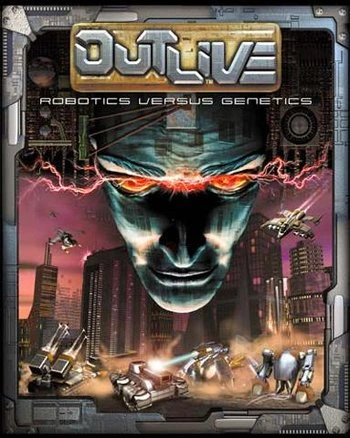
I was seven when I started playing Outlive, a real-time strategy game. I was obsessed with the genre, and with that game most of all.
Back then, nearly every game I could find was in English, Spanish or another foreign language, Japanese above all. Outlive and Age of Empires III were the only two I knew of that were dubbed in Brazilian Portuguese. Hearing a game speak my own language felt unreal.
Then I found out that the company behind Outlive, Continuum Entertainment, was Brazilian. As far as I knew, it was the only studio in the entire country making games of that kind for an international audience. And it had gone bankrupt.
It broke my heart. It was also the day I decided what I wanted to do. I would get into game development, to represent my country.
Why it looked impossible
The studio I admired was gone, and it had left no path behind for someone like me to follow. I had no funding, no team and no contacts in the industry. A game on the scale of Outlive was far beyond anything I could afford to build, and I knew it.
So the plan became smaller and more practical. I would learn to make things alone, ship them to the largest store I could reach and see who showed up.
Learning to build with nothing to learn from
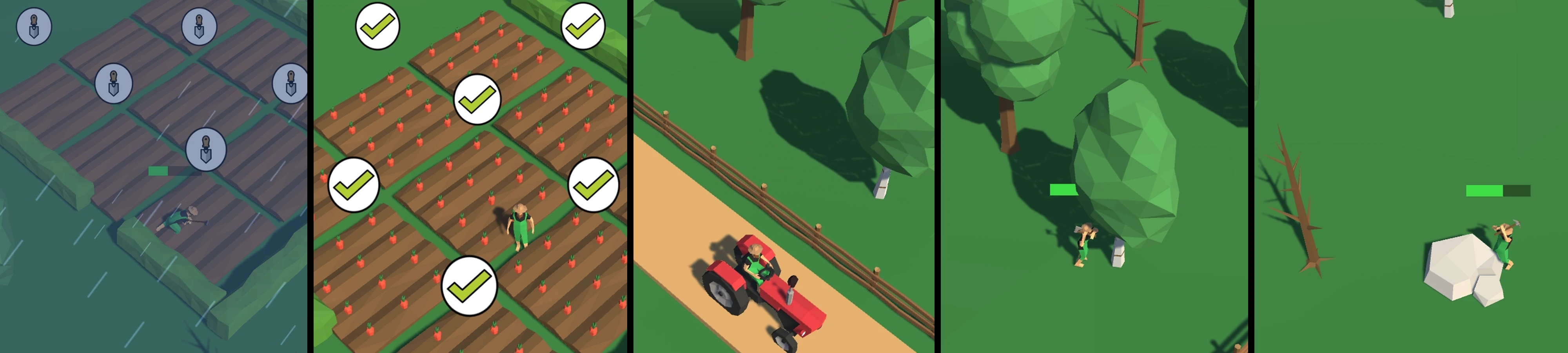
I started learning the Unity engine at 12, in Brazil, when almost nothing existed in Portuguese for people who wanted to make games. The documentation, the tutorials and the forums where developers answered each other's questions were in English. I did not speak English, so learning it became the first technical problem I had to solve. I learned it on my own, using the same material I was trying to understand.
Unity programs run on C#, so I learned that as well. There was no course to follow and no one to ask. The groundwork took years, and by the time I published my first app, I had spent a large part of my life preparing for it.
Before AI, all of it by hand
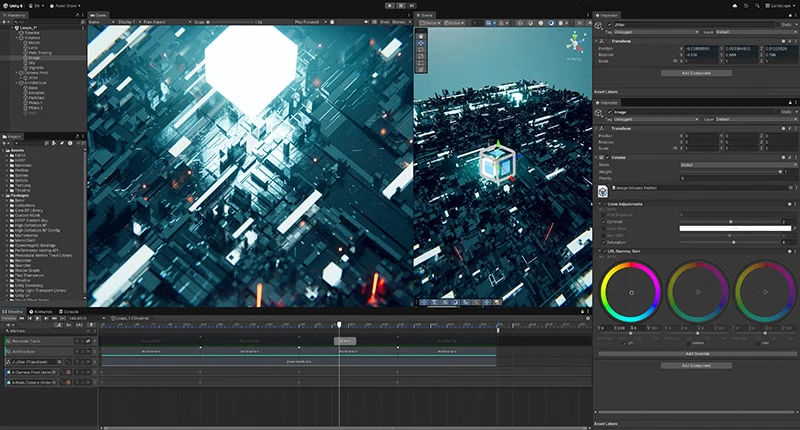
A beginner today can ask an AI model to write a function, explain an error or generate a sound effect. None of that existed when I started shipping. If something broke, the only fix was to understand it well enough to repair it myself.
So I did all of it. I wrote the code, designed the interfaces, produced the sounds and built the animations. I also handled the work that surrounds a release: listings, testing on whatever phones I could reach, and updates after launch.
Putting a name on the work
I published every app under Braven Bit Software, a name built from "brave" with an extra n for style. It sounded like a studio. It was one person.
The name outlasted the apps. It followed me into everything I made afterward, including the game mods that would reach millions of players.
The app that changed everything
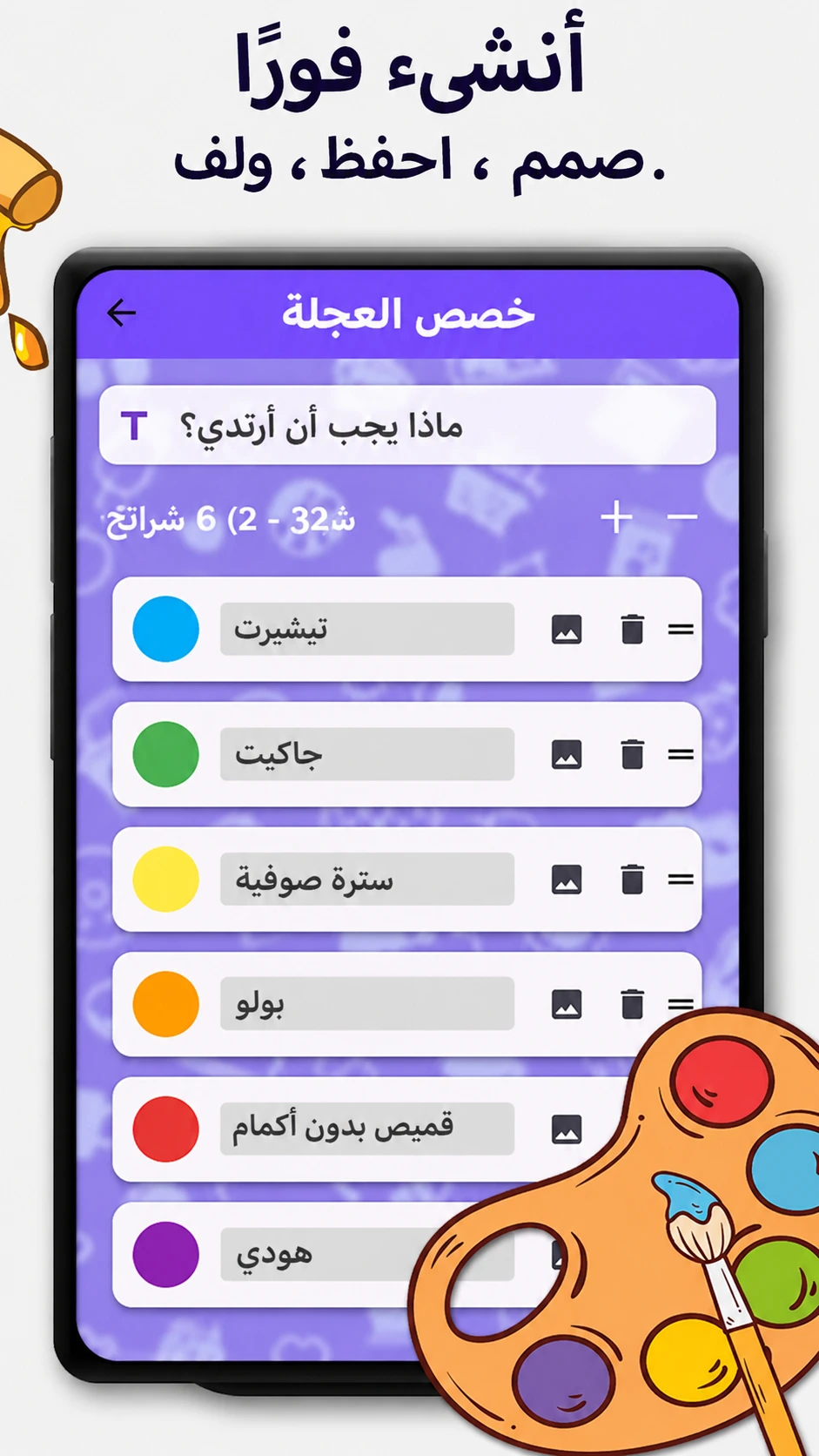
Decision wheels were a crowded category, and almost every app in it assumed an English-speaking user. I saw the same store and noticed what that left open. Google Play was available in more than 190 countries, and most of them were being ignored. I built Roller Roulette for all of them, and released it on October 29, 2018.
The scripts that engines could not draw
In 2019, I added support for Arabic and Persian. Both are written right to left. Letters change shape depending on where they fall in a word, and a line that mixes Arabic script with numbers or Latin text has to arrange itself correctly. The engine I was using struggled even with basic non-Latin fonts and had no answer for any of this.
I could have skipped those markets, as my competitors did. Instead, I built my own translation and text rendering system. It reached readers that other apps in the category had not tried to serve, and it did so in 2019, when few developers were attempting it.
Rebuilding it in Flutter
Later I rewrote the entire app in Flutter. That meant learning a new framework and a new language, Dart, and replacing the codebase of an app that millions of people already used. The new version was smaller and held a stable 60 FPS on low-end Android devices.
How the work evolved
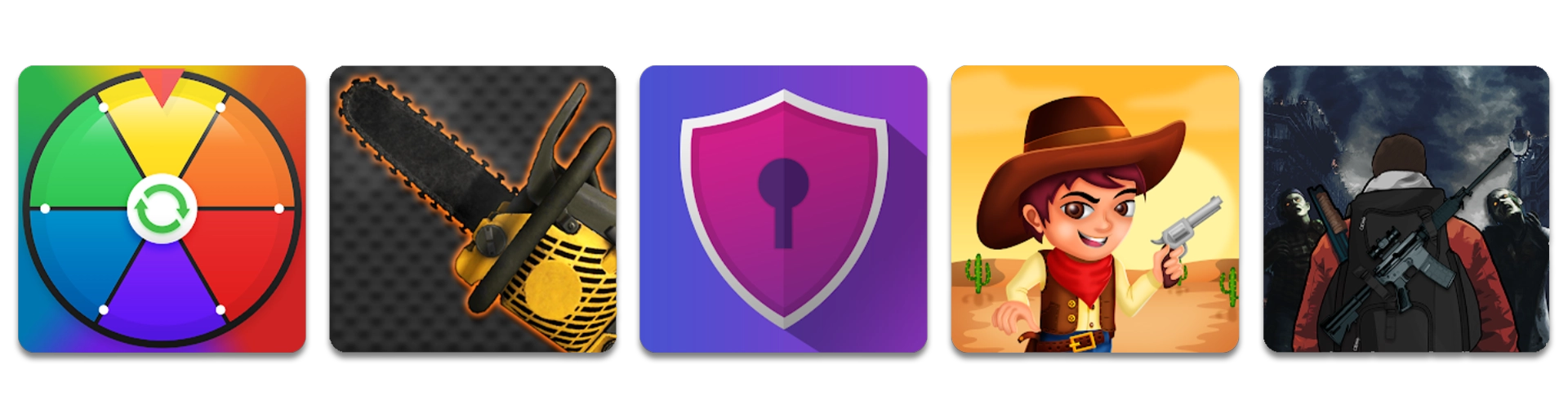
Two days after Roller Roulette, I released Phone Chainsaw. It was the opposite kind of project. Roller Roulette was a patient bet on markets nobody served, while Phone Chainsaw was built in under 48 hours to catch a trend while it was still running. Between the two, I learned to work at both speeds.
In May 2020, I changed direction and tools with SecuroGen. Everything I had shipped until then ran on an engine or a cross-platform framework. This app is native Android, built in Android Studio, which meant learning the platform's own tools and conventions from the beginning. The goal was trust. Many password tools ask for permissions, collect analytics or connect to the internet. SecuroGen generates every password on the device, requests no permissions and never touches the network, so a user can verify that at install time, because there is nothing to approve. It can also build passwords from foreign scripts mixed with Latin characters, which enlarges the pool of characters every position draws from and raises entropy in a way few mobile password tools offer. I considered growing it into a broader security center, with features such as flagging apps that misuse permissions, but I kept the released version small, reliable and easy to audit.
Pocket Targets, in March 2021, was my first serious study of game mechanics. It was built around one constraint: a person waiting in line should be able to take out their phone, play for under a minute and still feel progress. That constraint shaped everything, and the state management and progression logic I wrote for it carried into the larger games that followed.
Those games led to Last Night, in February 2022, the hardest project of the five. I developed my own fully custom first-person survival horror shooter, featuring dozens of simultaneous AI agents, adaptive combat, realistic weapon handling and a detailed 3D environment. All of it had to run at a stable 30+ FPS on low-end hardware, with 60 FPS available on most devices. I also built custom inventory and loot systems, randomized drops, an interactive map, strategic gameplay mechanics, random events, specialized enemy types and a dynamic weather system. It was an ambitious undertaking for a solo developer, built without a budget and with very little prior experience at that scale.
Featured works
Roller Roulette
Released October 29, 2018 | 2.3M+ installs | Top 200 in Entertainment

The proof that a small app could be built for a world that was being ignored. Its custom text rendering reached right-to-left readers other decision wheels left out, and the Flutter rewrite kept it fast on the cheapest phones, where many of its users were.
Phone Chainsaw
Released October 31, 2018 | 230,000+ installs

Phone Chainsaw went live on Halloween. A trend had filled the store with apps that displayed a flat picture of a chainsaw. I built a better one in under 48 hours, while the trend was still running.
Mine had a full 3D model with real-time lighting and particle effects. Then there was the vibration. I wrote a custom engine feature that controls the phone's vibration motor by hand, so the device reproduces the rhythm of a running engine. Apps built on static images could not match how it felt to hold.
Last Night
Released February 4, 2022 | 4,000+ installs

Last Night was the hardest project of the five, and its install count understates that. It is a full 3D first-person shooter, running on phones that could barely handle 3D rendering at all.
Under that constraint, I built a modular combat framework that joins enemy AI, inventory and player state into one real-time system. On top of it sit dynamic weather and lighting, tuned for mobile GPUs that had little room to spare. Every extra effect competed with frame rate, so the balance between how the game looked and how it ran had to be decided one feature at a time. I made every one of those decisions alone.
More releases
The five apps on this page are only some of my public work. The full portfolio has more than 12 apps, some of which were commissioned work. These are the other two from this period.
| App | Released | Installs | What it does |
|---|---|---|---|
| SecuroGen | May 21, 2020 | 3,000+ | A native Android password generator with zero permissions and zero network access. |
| Pocket Targets | March 10, 2021 | 7,000+ | A target-shooting game built for sessions under a minute, with fast feedback and visible progression. |
After the apps
Last Night was the last app I released under the Braven Bit Software alias, in February 2022. After it, I stepped away from Android development and took a break before starting anything new.
When I came back, it was because of a zombie game with no bicycles. That one missing feature led to more than 260 mods and over 20 million players, and the full story is in Building Braven.
What these years produced
These apps were the first phase of my career. In four years I learned a game engine, a programming language, a cross-platform framework and the native Android toolchain. I entered markets other developers considered too difficult, shipped to hardware that pushed back on every feature, and did it without anyone to ask. Each app taught me something the next one needed, and the rest of my work, from game mods to web applications, grew from that base.
I never built a game on the scale of Outlive. I did not have the resources or the contacts, and I did not have the motivation to chase the kind of money it would take. But around 2019 and 2020, when my apps passed two million users, I started to feel that I had kept the promise I made as a child. A game developer from Brazil had reached millions of people.
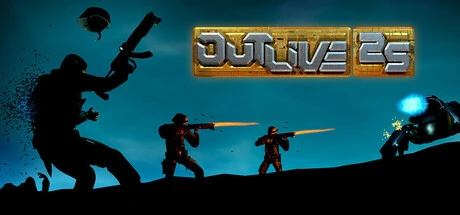
In 2026, Outlive made its return to PC, even though it arrived a year later than its original Outlive 25 branding suggested. Its comeback meant a great deal to me. Continuum gave me the courage to start, and without them, I would never have built any of this.
After Android, I found a different way to keep making games: creating for the worlds other developers had built. It became a new chapter in my career, and one I'm particularly proud of. You can read about it in my Game Mods portfolio.