A good idea doesn't always start with a finished project. Sometimes, it starts with a question: Which problem in our community deserves a solution? Other times, the challenge is to take something that has already been developed and explain, in just a few minutes, why it could work beyond the classroom.
During UALL FEICAMP Innovation, I led two activities that explored exactly these paths: the Idea Lab, designed for high school students, and the Pitch Showdown, a competition for college teams. They had different audiences and starting points, but shared the same purpose: bringing students closer to innovation, entrepreneurship, and real-world problem-solving.
Idea Lab: Starting with the Problem
The Idea Lab brought together 17 students from CIEP Escola Estadual de Ensino Médio Luiz Maria Ferraz, organized into five teams. Working under the theme of Smart Territories, participants explored challenges in their community, identified problems and opportunities, and developed proposed solutions.
Unlike a presentation of already-developed projects, this activity started one step earlier. Students had to understand the challenge, think through possible approaches, and shape an idea that could address it. Each team then developed its proposal in the form of a startup pitch, practicing how to explain a problem, present a solution, and communicate its potential.
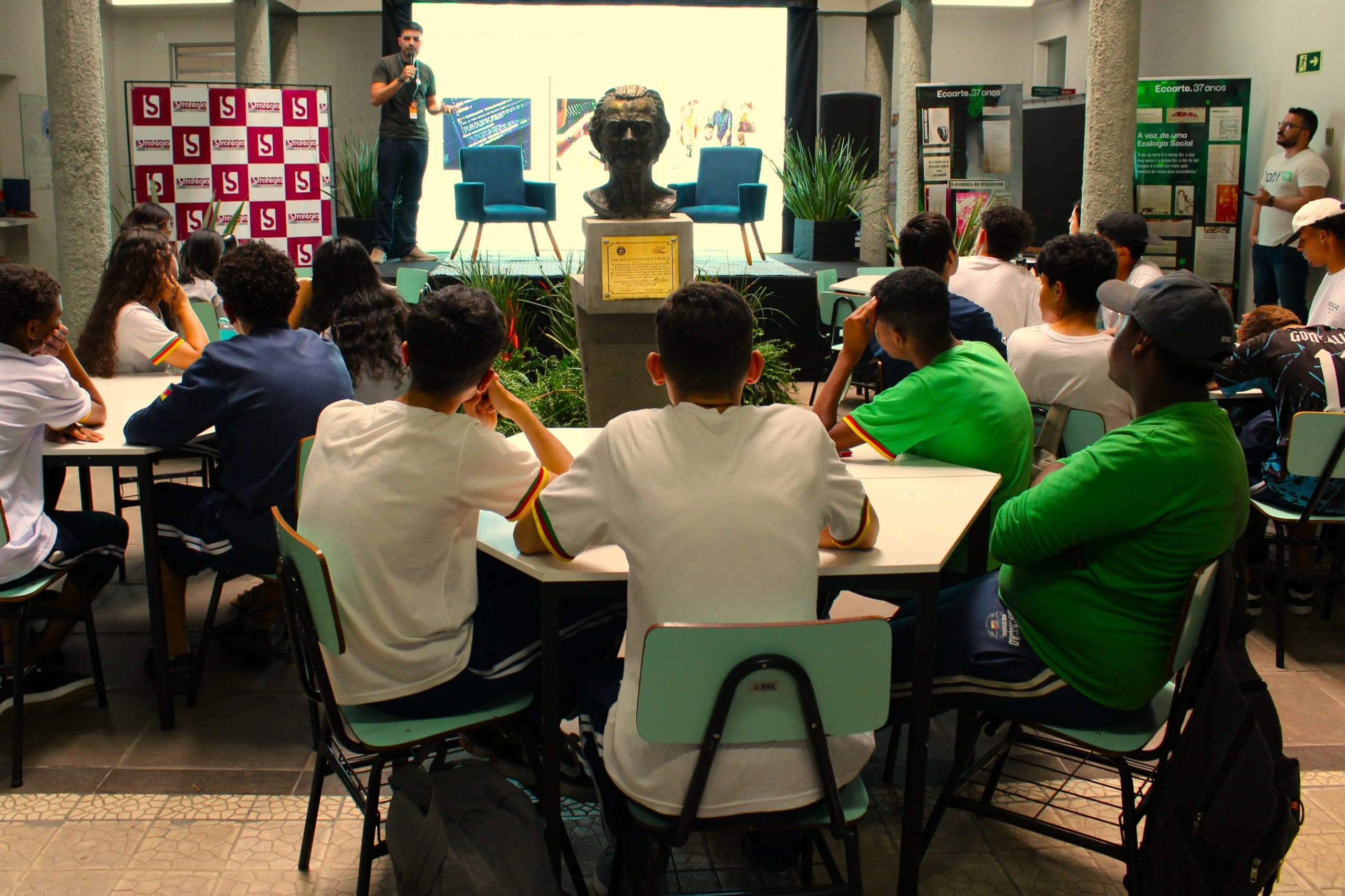
This was the first time we had run an activity in this format. I found it especially rewarding to lead the session, follow each team's progress, and see the students engaging with the challenge. The response was very positive: they enjoyed the experience and expressed interest in taking part again. It was a great start and a strong incentive to bring the Idea Lab to more classes and future editions.
Pitch Showdown: Academic Projects in Three Minutes
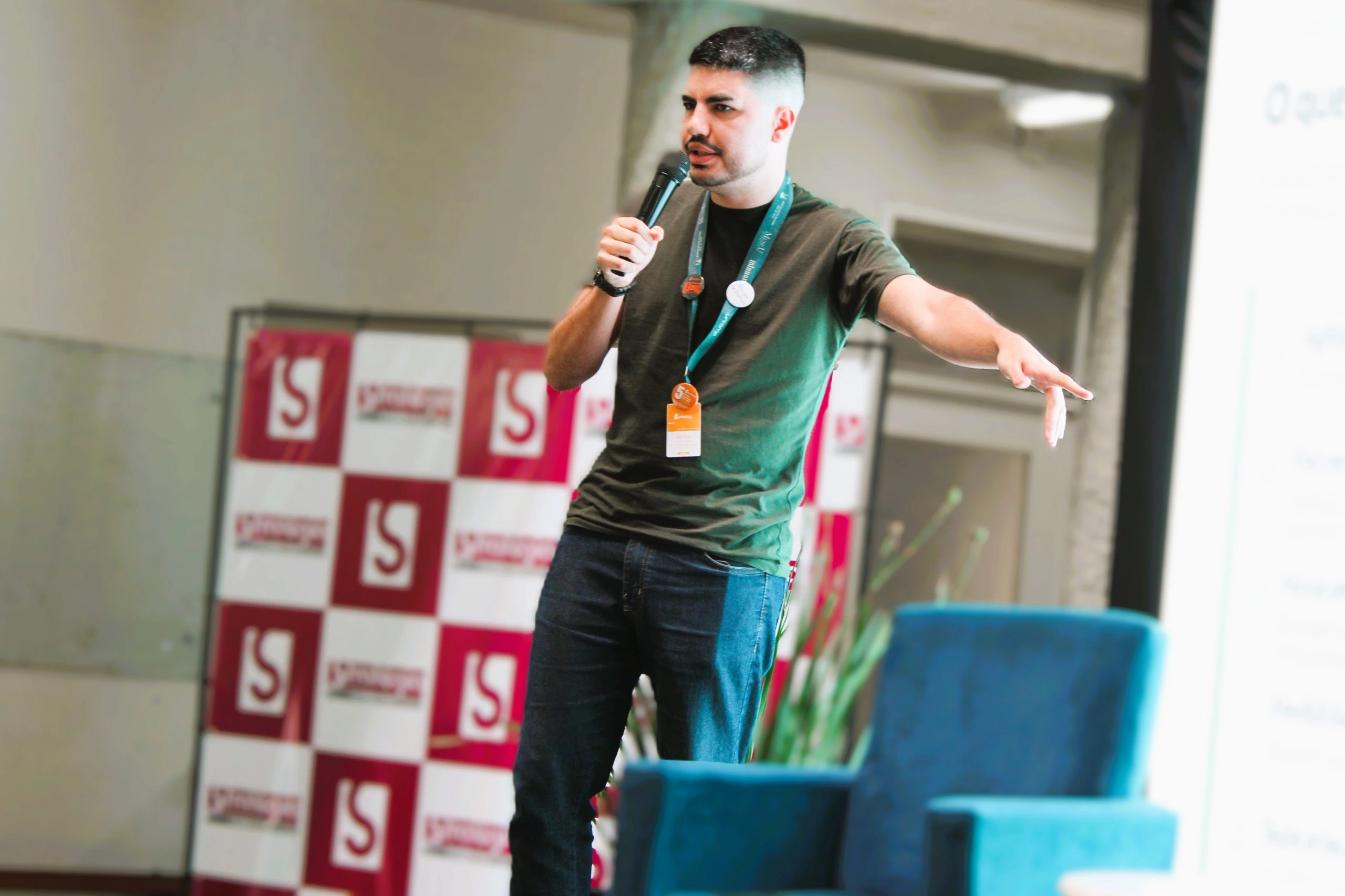
On the evening of November 19, 2026, during the closing events of UALL FEICAMP Innovation, the first Pitch Showdown took place. The competition brought together five teams of students from the Information Systems, Architecture, and Engineering programs. Each team had just three minutes to present its proposal to a judging panel.
The format was similar to the Idea Lab, but the starting point was different. In the Pitch Showdown, teams were already working on solutions developed in an academic setting. Their projects are connected to the SOUI Platform, a university system that allows companies and public agencies to submit technological and operational challenges. In response to those needs, students can form teams and develop solutions as part of interdisciplinary academic projects.
The three-minute presentation added a new step to that process. Knowing the technical details of a project wasn't enough: teams had to identify what mattered most, clearly explain the problem they were solving, and show why their proposal could be valuable to others. After all, a solution may be technically interesting, but it also needs to make sense to the people who could use it.
The judging panel included professors João Abelar Martins Costa and Nubia Margot M. Jardim, as well as Régis Picaz, a UALL member. The proposals were evaluated based on their potential and the execution demonstrated by each team.
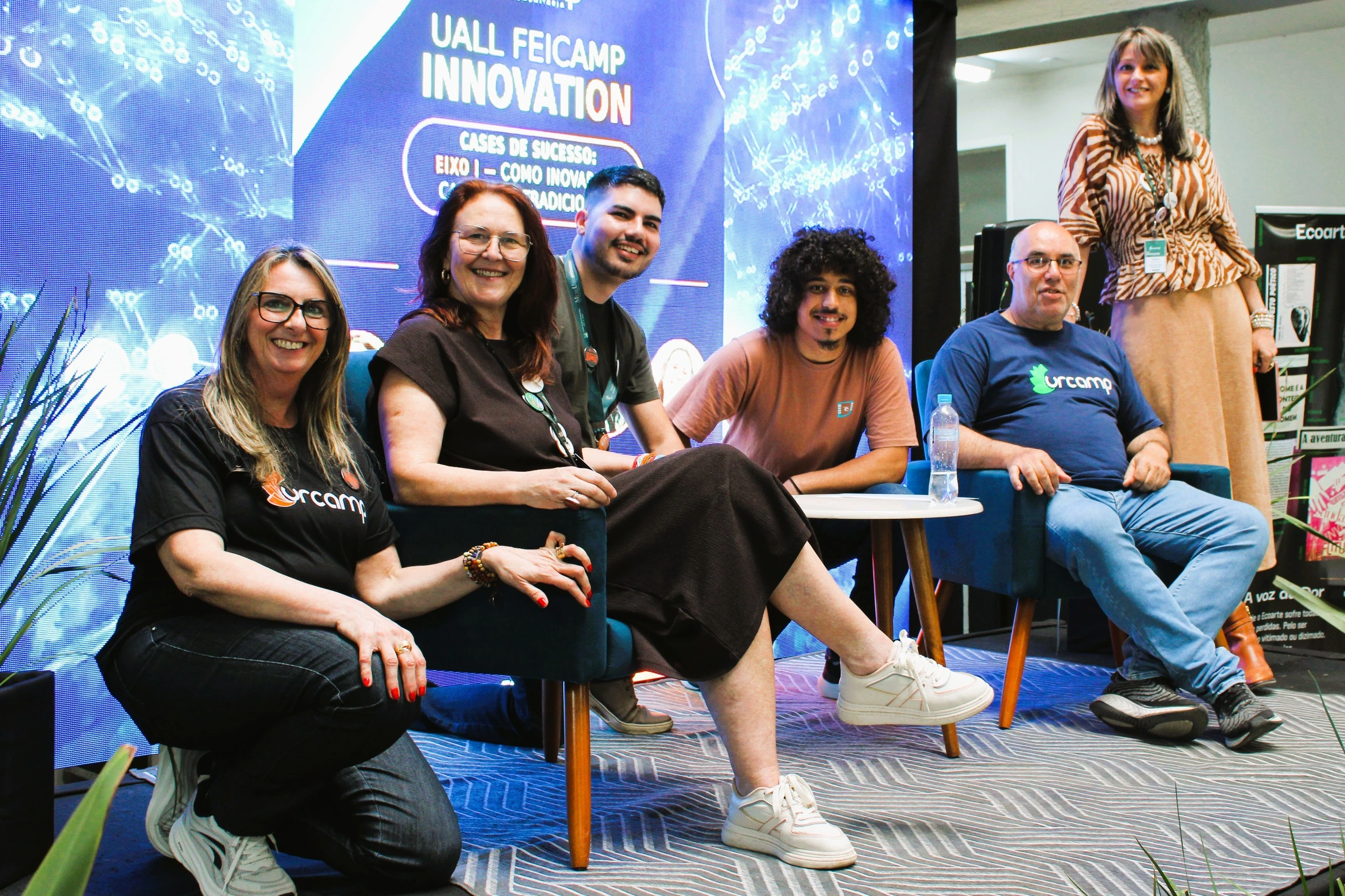
At the end, the top-performing teams received medals, certificates, and pins from the organizers. Beyond recognizing their work, the goal is to stay connected with the standout teams and encourage their proposals to mature, helping them move beyond academic prototypes and, when feasible, become practical, real-world applications.
Two Activities, One Shared Direction
My role in these activities involved organizing and leading the sessions, with the goal of turning concepts in innovation and entrepreneurship into hands-on experiences. For UALL FEICAMP Innovation, I worked on this effort alongside URCAMP's Office of the Vice Provost for Innovation, Graduate Studies, Research, and Extension, as well as the UALL team.
What interests me most about these formats is the opportunity to explore different stages of entrepreneurial thinking. In the Idea Lab, students start with challenges and learn how to develop a response. In the Pitch Showdown, they start with academic projects and have to communicate their value, respond to questions, and consider what comes next. In both cases, the presentation is only one part of the process. The learning also comes from investigating, collaborating, making decisions, and understanding that a good solution needs to address a real need.
Both activities were designed to continue. The plan is to hold new editions of the Idea Lab and the Pitch Showdown, involving more students and creating further opportunities for ideas to be developed, presented, and improved. The positive response to the first Idea Lab and the college teams' engagement in the Pitch Showdown show that there is room to repeat and expand these experiences.
Ultimately, the goal is simple: to bridge the gap between people who are learning, problems that need solving, and opportunities to turn good ideas into real initiatives. UALL FEICAMP Innovation provided the stage for these first experiences, but the hope is that they will continue long after the event has ended.